

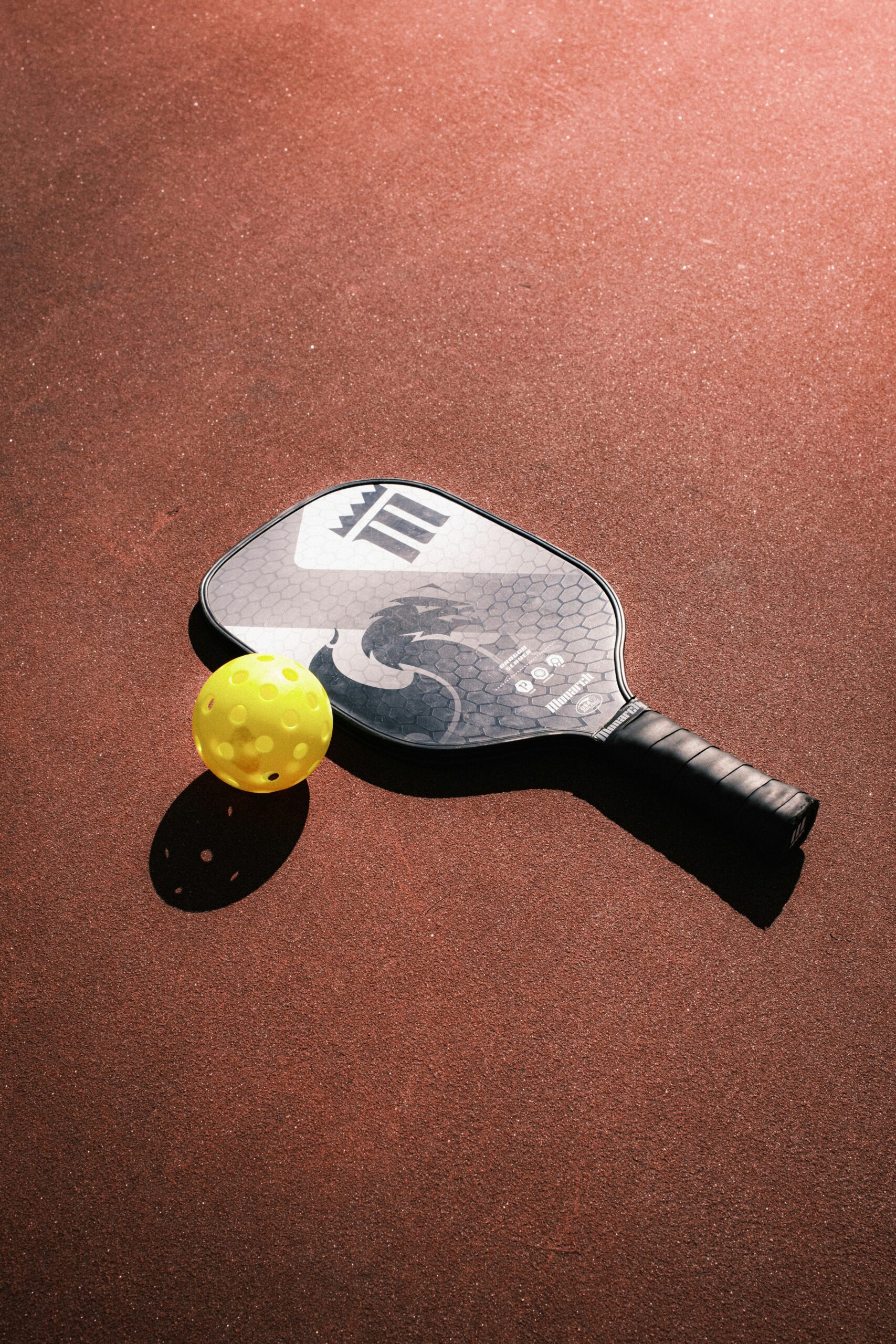
How Pickleball and Paddle Players Can Improve Performance and Extend Their Playing Years with Sports Acupuncture
If you’re playing pickleball or paddle tennis in Northbrook, Highland Park, or anywhere on Chicago’s North Shore, you’ve probably noticed something: these sports are way harder on your body than they look. That quick side-to-side movement, the constant twisting, the sudden stops and starts—they beat up your body in ways that surprise even people who’ve played sports their whole lives.
The good news? Sports acupuncture can help you recover faster, play longer, and actually fix what’s causing your pain instead of just covering it up.
Why Pickleball and Paddle Players Get Hurt
Before we talk about solutions, let’s understand what’s happening when you play. Pickleball and paddle tennis require:
Using one side of your body way more than the other: Your swing side works overtime while the other side barely does anything. Over time, this creates an imbalance that throws everything off.
Quick changes in direction: Unlike tennis where you have more court space, these games happen in a smaller area. That means you’re constantly making sharp cuts and pivots, which puts huge stress on your hips, knees, and the outside of your legs.
Staying crouched and ready: Both sports keep you in that bent-knee, ready position for long stretches. This means certain muscles in your hips, lower back, and shoulders are working hard the entire time you’re playing.
Reaching overhead while twisting: When you serve or hit an overhead shot, you’re extending your arm up while rotating your body. This combination is tough on your shoulder and lower back.
The result? Most pickleball and paddle players in the Chicago area end up with similar problems: elbow pain (tennis elbow), shoulder pain, knee pain (especially on the outside of the knee), tight hip flexors, and lower back pain.
How Sports Acupuncture is Different (And Why It Works)
Here’s where sports acupuncture becomes a game-changer for racquet sport players. Unlike regular acupuncture that focuses on overall wellness, sports acupuncture targets the specific muscle problems causing your pain.
Think of it this way: when you develop tennis elbow, it’s not just about your elbow being inflamed. Usually, certain muscles in your shoulder have stopped doing their job properly, so your forearm muscles have to pick up the slack. They get overworked and angry. Your body is compensating for weak links in the chain.
Sports acupuncture (specifically motor point acupuncture) “wakes up” those lazy muscles by stimulating the exact spot where the nerve connects to the muscle. This makes the muscle contract strongly, essentially rebooting it so it starts working again like it’s supposed to.
For pickleball and paddle players in Northbrook and the North Shore, this is huge because it fixes why you’re getting hurt, not just where it hurts.
Common Issues for Pickleball Players and How Acupuncture Helps
Tennis Elbow (That Painful Outer Elbow Thing)
This is the most common complaint among pickleball players. Makes sense—you’re gripping that paddle and using your wrist constantly.
What’s really going on: The muscles in your forearm that extend your wrist are overworked, often because your shoulder muscles aren’t doing their part to stabilize your arm. Your body tries to make up for it by gripping harder, which overuses your forearm.
How sports acupuncture helps: We activate the shoulder muscles (the ones that keep your shoulder stable) so your arm moves properly and your forearm doesn’t have to work overtime. We also release tight spots in your forearm muscles and get more blood flowing there to speed up healing.
What you should do at home: Along with acupuncture, you need to do specific exercises that strengthen your forearm in a controlled way. The “Tyler Twist” exercise is the gold standard for tennis elbow.
Shoulder Pain and Rotator Cuff Problems
That overhead serve and all the reaching can create shoulder pain, especially if you’re playing several times a week.
What’s really going on: The small muscles deep in your shoulder (your rotator cuff) aren’t keeping your shoulder stable during movement. This causes things to get pinched inside your shoulder.
How sports acupuncture helps: We stimulate those deep shoulder muscles and the muscles between your shoulder blades to get everything working properly again. When these muscles fire correctly, there’s more space in your shoulder and nothing gets pinched.
What you should do at home: Work on exercises that strengthen your shoulder rotation and the muscles around your shoulder blade. And stop playing through shoulder pain—you’ll only make it worse.
Outside Knee Pain and IT Band Issues
All those side-to-side movements and quick direction changes are brutal on the outside of your knee and the band of tissue running down the outside of your thigh (your IT band).
What’s really going on: Your hip muscles (especially the ones on the side of your butt) aren’t keeping your hips stable when you move sideways. This makes your IT band work way too hard and causes your knee to track poorly.
How sports acupuncture helps: We activate your hip muscles so they actually do their job, which takes pressure off your IT band. We also work on the tight spots in the muscles on the front and outside of your hip and thigh.
What you should do at home: Hip strengthening isn’t optional here. Side leg raises, clamshells (those exercises where you open and close your knees), and balance work on one leg need to become part of your routine. Also, stop aggressively foam rolling your IT band—it’s not the actual problem.
Lower Back Pain
Staying in that athletic “ready position” with your knees bent for long periods creates chronic tension in your lower back and hip flexors (the muscles at the front of your hips).
What’s really going on: Your hip flexors are chronically tight and pulling on your lower back. Meanwhile, your deep core muscles and glutes aren’t turning on properly to support your spine when you move.
How sports acupuncture helps: We release your tight hip flexors and activate your deep core and butt muscles to give your spine the support it needs. We can also work on the muscles running along your spine that get tight and painful.
What you should do at home: Stretch your hip flexors (the “couch stretch” is excellent) and do core exercises that teach your abs to work properly without making things worse.
Recovery Strategies If You’re Playing Multiple Times a Week
If you’re playing pickleball or paddle three or more times a week in the Chicago area, you need a plan for recovery:
Don’t wait until you’re injured: Come in for sports acupuncture when you first notice tightness or discomfort, not after you’ve developed a full-blown injury. It’s way easier to fix small problems before your body starts compensating in weird ways.
How often to get treatment: For injuries that are already bothering you, weekly treatments for 4-6 weeks usually make a big difference. For keeping yourself in good shape and preventing problems, monthly or every-other-month treatments help you stay ahead of issues.
You still need to strengthen: Acupuncture wakes up your muscles and fixes pain, but you need to strengthen those newly activated muscles to keep the results. This isn’t optional—if you skip this part, the problems will come back.
Work on your mobility too: Pickleball and paddle players need to be able to rotate their hips inward, twist through their mid-back, and bend their ankles properly. If you’re tight in these areas, other parts of your body have to pick up the slack and eventually get hurt.
Why Sports Acupuncture Works Better Than Other Options
What makes sports acupuncture particularly effective for pickleball and paddle players?
It fixes the real problem: Unlike pain meds or cortisone shots that just cover up symptoms, sports acupuncture identifies and treats what’s actually causing your pain.
No time off needed: You can usually play the same day or next day after treatment. Many people notice immediate improvement in how far they can move and how much pain they’re in.
Helps you train harder: Sports acupuncture enhances your body’s natural ability to bounce back from tough workouts. It’s not about resting more—it’s about recovering better so you can train harder.
Stops the domino effect: By fixing muscle imbalances early, you prevent that cascade of injuries that happens when one body part overworks to compensate for a weak area.
When to Get Help
Don’t wait until you can’t play. Look for treatment from a certified sports medicine acupuncturist when you notice:
- Pain that sticks around longer than your normal post-game soreness
- Stiffness that limits how far you can move
- Pain that makes you change how you swing or move
- Feeling weak or unstable during certain movements
- Pain that gets worse as you play instead of warming up and feeling better
For pickleball and paddle players in Northbrook, Glenview, Wilmette, and throughout Chicago’s North Shore, finding someone who really understands how your sport affects your body makes a huge difference in how well treatment works.
Making Sports Acupuncture Part of Your Game Plan
The best athletes don’t just treat injuries—they prevent them. Here’s how to use sports acupuncture to stay on top of your game:
Before your season starts: Get treatment before you ramp up your playing to address any lingering issues from last year and get all your muscles working in balance.
During your season: Monthly treatments while you’re playing regularly keep small problems from becoming big ones and keep your muscles firing properly.
Before tournaments: Many players schedule treatment the week before major tournaments to make sure they’re physically at their best.
After an injury: Use sports acupuncture to speed up your return to play and prevent getting hurt again by fixing the compensation patterns you developed while injured.
The Bottom Line for Pickleball and Paddle Players
These sports are incredibly fun, social, and easy to pick up—but they’re harder on your body than they look. The repetitive movements and quick, explosive demands create specific problems that, if ignored, will eventually force you to stop playing.
Sports acupuncture offers a proven way to not just manage pain, but actually improve how your body moves, extend how many years you can play, and help you perform better. It’s not about quick fixes or covering up symptoms—it’s about making your body work the way it’s supposed to for your sport.
If you’re serious about playing pickleball or paddle for years to come, taking care of proper recovery isn’t optional. Your body will thank you, and your game will improve.
Looking for sports acupuncture treatment in the Northbrook or Chicago North Shore area? Find a certified Sports Medicine Acupuncturist (C.SMA) who specializes in motor point acupuncture and understands how racquet sports affect your body. The right treatment combined with proper strengthening and mobility work can keep you on the court and playing your best.

Leave a Reply Cancel reply
book
privacy policy
Contact us
press & media
faqs
About us
Services
Home
Get expert tips, recovery insights, and holistic health updates - straight to your inbox. Subscribe to our newsletter for practical advice, clinic news, and exclusive offers designed to support your movement and well-being.
Stay up to date
At Sports Acupuncturist, we’re dedicated to supporting your recovery, performance, and long-term health. Through personalized care and evidence-based techniques, we help you move better, feel stronger, and stay injury-free. Let’s move forward - together.
Share Your Perspective