

Dry Needling Side Effects: What to Expect & Safety Guide
If you’re considering dry needling for muscle pain, tension, or injury recovery, you’re probably wondering about the potential side effects. Here’s the reassuring truth: dry needling is remarkably safe when performed by a qualified professional, and most side effects are mild and temporary.
Understanding what to expect can help you approach treatment with confidence and recognize normal healing responses versus the rare situations that need attention.
What Is Dry Needling?
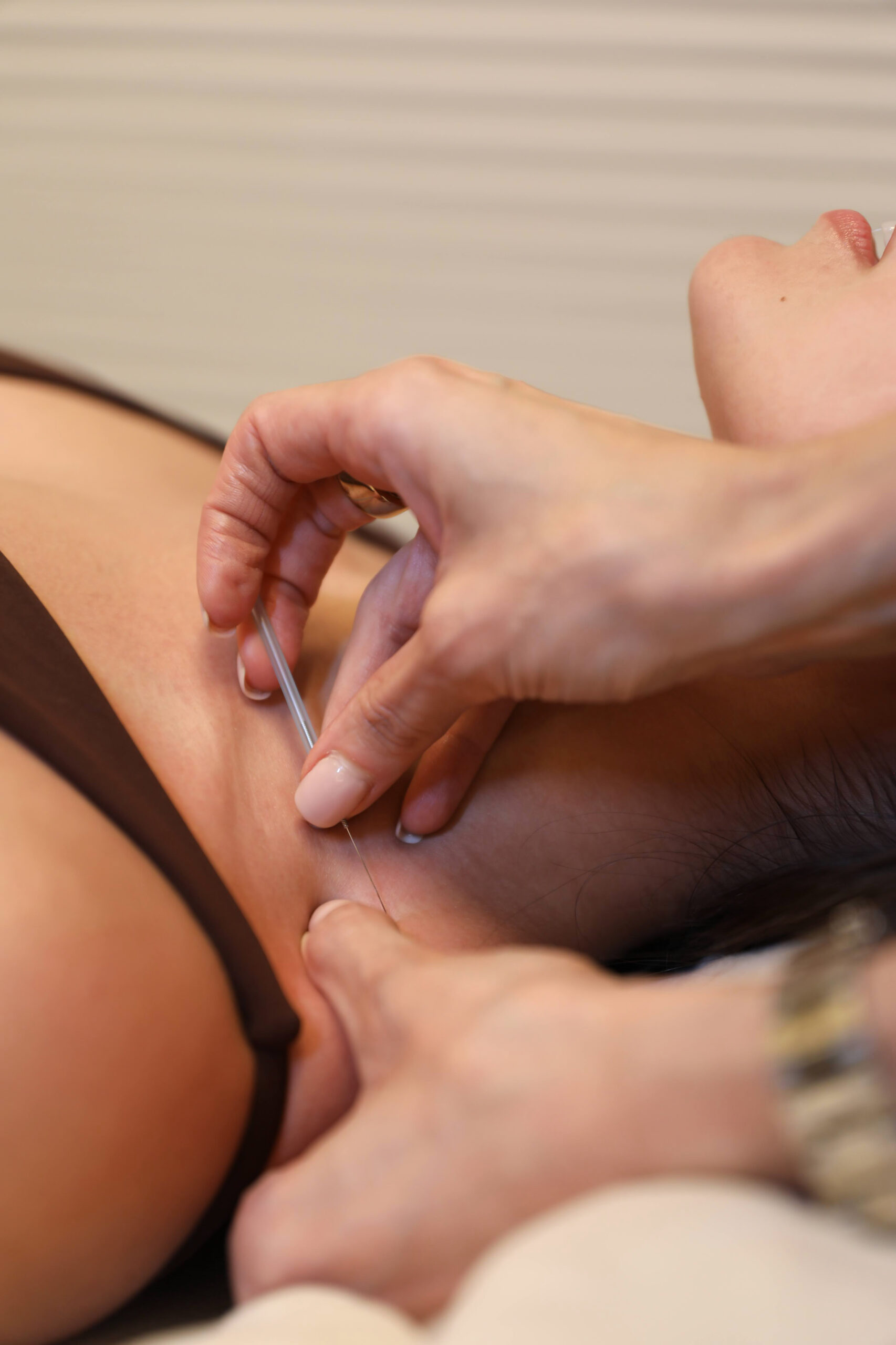
Before diving into side effects, it’s helpful to understand what dry needling actually involves. Dry needling is a therapeutic technique where thin, solid needles are inserted into myofascial trigger points—those tight, knotted areas in your muscles that cause pain and restrict movement.
The technique is based on Western medicine principles and anatomy, targeting muscular and connective tissue problems directly to release tension, improve blood flow, and reduce pain.
How Is Dry Needling Different from Acupuncture?
This is one of the most common questions people ask, and understanding the distinction is important:
Traditional Acupuncture
Traditional acupuncture is rooted in Chinese medicine philosophy and has been practiced for thousands of years. It works by:
- Inserting needles along meridian pathways to balance qi (energy) flow
- Treating the whole person and addressing underlying imbalances
- Using gentle needle insertion, often superficially
- Focusing on overall wellness, not just isolated symptoms
- Requiring extensive training in Chinese medicine theory (typically 3-4 years of graduate education)
Learn more about how acupuncture works and what acupuncture does for your health.
Dry Needling
Dry needling is a modern Western medical technique that:
- Targets specific trigger points and tight muscle bands based on anatomy
- Focuses primarily on musculoskeletal pain and dysfunction
- Often uses deeper, more aggressive needling techniques
- Addresses localized problems rather than systemic imbalances
- Can be practiced by physical therapists, chiropractors, physicians, and acupuncturists with specialized training (typically 50-100 hours of coursework for non-acupuncturists; acupuncturists already have extensive needle training)
Motor Point Acupuncture
Motor point acupuncture is a specialized technique that targets motor points—the locations where nerves enter muscles. This approach:
- Focuses on neuromuscular junctions for optimal muscle function
- Targets specific anatomical points based on Western physiology
- Uses precise needle placement at motor entry points
- Highly effective for muscle weakness, atrophy, and neuromuscular conditions
Sports Acupuncture
Sports acupuncture is the most comprehensive approach, integrating all three techniques:
- Traditional acupuncture for overall balance and systemic healing
- Dry needling for releasing trigger points and muscle tension
- Motor point acupuncture for optimizing neuromuscular function
Sports acupuncture practitioners use whichever technique is most appropriate for the athlete’s specific condition, often combining multiple approaches in a single treatment session. This integrative method addresses:
- Athletic injuries and recovery
- Performance enhancement
- Pain management
- Movement optimization
- Injury prevention
Important distinction: Licensed acupuncturists are actually the most highly trained needle practitioners. They complete 3-4 years of graduate-level education with over 1,000 hours of clinical training specifically in needle technique, safety, and anatomy. However, to perform sports acupuncture effectively, they need additional specialized training beyond their foundational acupuncture education that covers dry needling techniques, motor point therapy, and sports medicine applications.
Who Can Perform These Techniques?
Traditional Acupuncture: Licensed acupuncturists (L.Ac.) with a Master’s degree in Acupuncture or Oriental Medicine
Dry Needling: Licensed acupuncturists, physical therapists, chiropractors, physicians, and other healthcare providers with specialized dry needling certification (requirements vary by state). Acupuncturists already possess extensive needle training, while other practitioners typically complete 50-100+ hours of specialized coursework.
Motor Point Acupuncture: Licensed acupuncturists or other practitioners with specific motor point training
Sports Acupuncture: Licensed acupuncturists with additional specialized training in sports medicine, dry needling, and motor point techniques—this integrative approach requires the most comprehensive skill set
The training advantage: While various professionals can learn and practice dry needling, licensed acupuncturists have the most extensive foundational training in needle handling, insertion techniques, and safety protocols. This makes them exceptionally qualified to perform all needle-based techniques, including dry needling, motor point acupuncture, and comprehensive sports acupuncture when they pursue the additional specialized training.
Common Dry Needling Side Effects (Normal and Expected)
Now that you understand what dry needling is, let’s talk about what you might experience. Remember: these are normal healing responses, not signs of danger.
Soreness and Muscle Aching
The most frequently reported side effect is muscle soreness at the needle insertion sites. This soreness typically feels similar to post-workout muscle fatigue and can last anywhere from a few hours to 24-48 hours after treatment.
Why it happens: When needles penetrate trigger points, they create a controlled micro-trauma that initiates your body’s natural healing process. Your muscles are essentially “waking up” from their chronically contracted state. This is a therapeutic response, not tissue damage.
What you can do: Apply ice or heat (whichever feels better), stay hydrated, perform gentle stretching, and avoid intense exercise for 24 hours after treatment. Most people find the temporary soreness well worth the lasting pain relief that follows.
Bruising at Needle Sites
Minor bruising around insertion points occurs in some people, especially if you bruise easily or are taking blood thinners. These bruises are usually small and fade within a few days to a week.
Why it happens: Needles can occasionally contact small blood vessels near the skin’s surface. This is completely normal and not a sign that anything went wrong with your treatment.
What you can do: Apply ice immediately after treatment if you’re prone to bruising. Arnica cream may also help reduce discoloration.
Temporary Bleeding
Small spots of bleeding may occur when the needle is removed. This is typically minimal—just a drop or two that stops quickly with light pressure.
Why it happens: The needle creates a tiny puncture wound in your skin. While dry needling uses very thin needles (similar to acupuncture needles), any skin penetration can result in minor bleeding. This is expected and normal.
What you can do: Your practitioner will apply pressure with a cotton ball or gauze. The bleeding should stop within seconds to a minute.
Fatigue
Some people feel pleasantly relaxed or drowsy after a dry needling session. This fatigue can last for several hours or occasionally into the next day.
Why it happens: Your nervous system shifts into a parasympathetic (rest and digest) state during treatment, and your body is directing energy toward healing the treated areas. This is actually a positive sign that your body is responding therapeutically.
What you can do: Plan lighter activities after your appointment. Get adequate rest and sleep to support your body’s healing response. Many people enjoy this relaxed feeling!
Lightheadedness or Dizziness
Feeling lightheaded during or immediately after treatment can occur, particularly if you’re nervous about needles or haven’t eaten recently.
Why it happens: This is often a vasovagal response—your nervous system’s natural reaction to the procedure, especially if you have needle anxiety. Low blood sugar or dehydration can also contribute.
What you can do: Eat a light meal before your appointment, stay hydrated, and let your practitioner know if you feel dizzy. They can have you lie down or adjust your position. This passes quickly and is not dangerous.
Less Common but Still Normal Side Effects
Increased Pain Initially
Some people experience a temporary increase in pain for 24-48 hours before improvement begins. This is sometimes called a “healing crisis” and is actually a positive sign that your body is responding.
Why it happens: The therapeutic inflammatory response triggered by needling can temporarily intensify symptoms before the body’s healing mechanisms take over and provide relief.
When to contact your practitioner: If pain significantly worsens or doesn’t improve after 48-72 hours, reach out for guidance. Usually, this just means you need a slightly different approach next time.
Skin Irritation or Redness
Mild redness, warmth, or slight swelling around needle sites is normal and should resolve within a few hours.
Why it happens: Your immune system responds appropriately to the needle insertion, sending blood flow and healing resources to the area.
When to be concerned: If redness spreads significantly, becomes increasingly painful, or shows signs of infection (pus, increasing warmth, fever), contact your practitioner. Actual infections are extremely rare with proper sterile technique.
Nausea
Occasionally, people feel nauseous during or after treatment, particularly if they’re anxious about the procedure.
Why it happens: This can be related to the vasovagal response or stimulation of certain nerve pathways. It’s not dangerous.
What you can do: Inform your practitioner immediately if you feel nauseous. They may need to remove needles and have you rest. This sensation passes quickly.
Muscle Twitching
A localized twitch response—where the muscle involuntarily contracts when the needle hits the trigger point—is actually considered a positive therapeutic sign that the correct spot has been targeted. However, some people find this sensation surprising or uncomfortable.
Why it happens: The needle stimulates a reflexive contraction in the dysfunctional muscle tissue. This is exactly what your practitioner is looking for.
Is it dangerous: Not at all. This is a normal, beneficial therapeutic response that indicates effective treatment.
Why Dry Needling Is NOT Dangerous When Performed by Professionals
You might have come across concerning articles about dry needling risks. Let’s address these concerns with facts:
The Safety Record Is Excellent
Multiple large-scale studies have examined the safety profile of dry needling. The evidence is reassuring:
- Serious adverse events occur in less than 0.04% of treatments (that’s less than 4 in 10,000 sessions)
- Minor side effects (soreness, bruising) are common but temporary and expected
- The benefits significantly outweigh the risks for appropriate candidates
- Complications are almost always related to inadequate training or improper technique—not the procedure itself
When performed by properly trained professionals who follow safety protocols, dry needling is one of the safest therapeutic interventions available.
Professional Training Matters
The key to safety is practitioner qualification. Here’s why professional training eliminates most risks:
Licensed acupuncturists are the most extensively trained in needle technique:
- 3-4 years of graduate education (Master’s degree)
- Over 1,000 clinical hours with needles
- Comprehensive training in anatomy, needle safety, and sterile technique
- When they pursue additional sports acupuncture training, they combine deep needle expertise with specialized musculoskeletal knowledge
Physical therapists, chiropractors, physicians, and acupuncturists with dry needling certification:
- PTs, chiropractors, and physicians typically complete 50-100+ hours of specialized training
- Acupuncturists bring 1,000+ hours of foundational needle training plus any additional dry needling coursework
- All must have extensive anatomical knowledge from their primary profession
- Learn proper needle technique, safety protocols, and when to avoid certain areas
- Must follow strict scope of practice guidelines
Sterile Technique Prevents Infection
Modern dry needling and acupuncture use pre-packaged, single-use, sterile needles. These are opened just before treatment and disposed of immediately after. Infection risk is virtually non-existent when proper protocols are followed—which they are by licensed professionals.
Anatomical Knowledge Prevents Serious Complications
The most cited “serious” risk is pneumothorax (lung puncture). Here’s the reality:
- This complication is extremely rare (less than 1 in 200,000 treatments)
- It only occurs with needling near the ribcage and chest
- Properly trained practitioners know the safe needle depth for every area of the body
- Acupuncturists, with their extensive training, are particularly skilled in safe needle depth and angles
- When it does occur (almost always with inadequately trained practitioners), it’s treatable
The anatomical knowledge required in professional training programs specifically addresses how to avoid this and other potential complications.
Is Dry Needling Safe? What the Evidence Shows
Let’s look at what research actually tells us:
From a 2017 systematic review published in the Journal of Orthopaedic & Sports Physical Therapy:
- Dry needling has a very low risk of adverse events
- Most side effects are mild, transient, and expected (soreness, bruising)
- When performed by trained clinicians, the safety profile is excellent
From multiple international studies:
- Serious adverse events are extraordinarily rare
- Patient satisfaction rates are high
- Most patients would repeat treatment based on benefits versus minimal side effects
Professional organizations support safety:
- The American Physical Therapy Association endorses dry needling as safe and effective when proper training is completed
- The National Certification Commission for Acupuncture and Oriental Medicine maintains rigorous safety standards for acupuncturists
The bottom line: Dry needling is not dangerous when performed by qualified professionals.
Side Effects of Dry Needling with Electrical Stimulation
Some practitioners combine dry needling with electrical stimulation (e-stim), where a mild electrical current runs through the needles. This technique can enhance muscle relaxation and pain relief. When performed correctly, it’s also very safe.
Normal side effects:
- Stronger muscle contractions during treatment (therapeutic and expected)
- Slightly increased soreness afterward
- Temporary muscle fatigue (beneficial for releasing chronic tension)
- Minor skin irritation where electrodes attach
Who should avoid e-stim:
- Anyone with a pacemaker or other implanted electrical device
- Pregnant women (especially in certain areas)
- People with epilepsy
Safety note: The electrical stimulation used is extremely mild and controlled. It’s not painful and is well-tolerated by most people.
Who Should Avoid Dry Needling?
While dry needling is safe for most people, certain individuals should avoid it or proceed with extra caution:
Absolute contraindications:
- Active local or systemic infection
- Extreme fear of needles that causes severe anxiety (needle phobia)
- Pregnancy in certain areas (always consult your healthcare provider—many areas are safe)
Discuss with your practitioner (usually fine with modifications):
- Taking anticoagulant medications (blood thinners)—may just bruise more easily
- History of bleeding disorders—usually still safe with precautions
- Skin conditions at treatment sites—can work around affected areas
- Recent surgery in the treatment area—timing matters
- Metal allergies (though most needles are stainless steel)
Notice how short this list is? That’s because dry needling is safe for the vast majority of people.
Minimizing Side Effects and Maximizing Safety
To ensure the best possible experience:
Choose a qualified practitioner:
- Verify credentials and training
- Licensed acupuncturists have the most comprehensive needle training and can perform dry needling alongside traditional techniques
- Physical therapists, chiropractors, and physicians should have specialized dry needling certification
- For motor point/sports acupuncture, seek licensed acupuncturists with additional sports medicine training
- Ask about their experience and how many treatments they’ve performed
- Ensure they follow sterile technique with single-use, disposable needles
Communicate openly:
- Disclose all medical conditions, medications, and allergies
- Mention if you’re pregnant or might be pregnant
- Share your concerns about needles or pain tolerance
- Report any unusual sensations during treatment immediately
Follow aftercare instructions:
- Stay hydrated before and after treatment
- Avoid strenuous exercise for 24 hours
- Apply ice or heat as recommended
- Expect some soreness—it’s normal and therapeutic
Know when to seek help (rare, but good to know):
- Difficulty breathing or chest pain (extremely rare)
- Signs of infection (fever, increasing redness, pus)—very rare with sterile technique
- Numbness or weakness that doesn’t resolve within a few days
What to Expect After Your First Treatment
Knowing what’s normal helps you feel confident:
Immediately after (first few hours):
- Mild to moderate soreness at needle sites (this is good—it means your muscles are responding)
- Possible pleasant fatigue or drowsiness
- Small bruises or pinpoint bleeding spots (normal)
- Feeling of muscle heaviness in treated areas (therapeutic response)
24-48 hours later:
- Soreness typically peaks then begins improving
- You may notice increased range of motion
- Many people feel dramatically better; others need multiple sessions for cumulative effect
- Bruising may become more visible before fading (normal)
One week after:
- All side effects should have completely resolved
- You should notice improvement in your original symptoms
- If you’re not seeing any benefits by 3-4 sessions, discuss modifications with your practitioner
Dry Needling vs. Acupuncture vs. Motor Point vs. Sports Acupuncture: Side Effects Comparison
Since these techniques use similar needles, how do their side effects compare?
Traditional Acupuncture:
- Generally causes minimal soreness (needles often placed superficially)
- Very gentle overall experience
- Rarely causes significant bruising
- Most patients find it deeply relaxing with few side effects
Dry Needling:
- Often causes more post-treatment soreness (targets deep muscle tissue)
- More aggressive needling technique
- Slightly higher chance of bruising
- Muscle twitching common and expected
Motor Point Acupuncture:
- Similar intensity to dry needling when targeting motor points
- Focused on neuromuscular junctions
- Moderate post-treatment soreness
- May cause muscle fasciculations (brief twitching)
Sports Acupuncture:
- Variable depending on which techniques are used in the session
- Can range from gentle (more traditional acupuncture) to intensive (more dry needling/motor point)
- Practitioners modulate intensity based on athlete’s needs
- Combines the benefits of all approaches with skilled needle technique
- Performed by highly trained acupuncturists who can adjust treatment intensity
All four are safe when performed by qualified practitioners. The main difference is the expected intensity of normal side effects, not the risk of serious complications.
The Bottom Line: Dry Needling Is Safe and Effective
Here’s what you need to remember:
✅ Dry needling is not dangerous when performed by qualified professionals
✅ Most side effects are mild, temporary, and expected as part of the healing response
✅ Serious complications are extremely rare (less than 0.04% of treatments)
✅ Licensed acupuncturists have the most extensive needle training and when they pursue additional sports acupuncture training, they can integrate traditional acupuncture, dry needling, and motor point techniques for comprehensive care
✅ Professional training and sterile technique eliminate virtually all risks
✅ The benefits significantly outweigh the minimal side effects for most people with muscle pain and trigger points
If you’re dealing with chronic muscle pain, trigger points, or movement restrictions, dry needling offers a safe, effective solution. The temporary soreness many people experience is a small price to pay for significant, lasting pain relief.
Ready to try dry needling? Look for:
- A licensed acupuncturist with sports acupuncture training (highest needle expertise + integrates traditional acupuncture, dry needling, and motor point techniques)
- A licensed physical therapist with specialized dry needling certification
- A chiropractor or physician with proper dry needling credentials
Don’t hesitate to ask questions about their training, experience, and safety protocols. A qualified practitioner will be happy to discuss their credentials and put your mind at ease.
The evidence is clear: dry needling is a safe, well-researched treatment option that can provide remarkable relief when you choose the right practitioner.
Have you experienced dry needling, traditional acupuncture, motor point acupuncture, or sports acupuncture? What was your experience with side effects? Share in the comments below.

Leave a Reply Cancel reply

book
privacy policy
Contact us
press & media
faqs
About us
Services
Home
Get expert tips, recovery insights, and holistic health updates - straight to your inbox. Subscribe to our newsletter for practical advice, clinic news, and exclusive offers designed to support your movement and well-being.
Stay up to date
At Sports Acupuncturist, we’re dedicated to supporting your recovery, performance, and long-term health. Through personalized care and evidence-based techniques, we help you move better, feel stronger, and stay injury-free. Let’s move forward - together.
Share Your Perspective